
The Moon of the Crust on the Snow
Long before European settlers arrived, Indigenous peoples of the Eastern Woodlands had mastered maple sap collection. The Algonquian peoples called it "sinzibuckwud" – the sacred sweetness drawn from the tree of life during the "Moon of the Crust on the Snow," when late winter's freezing nights and warm days created perfect sap flow.
Archaeological evidence shows Indigenous communities have harvested maple sap for over a thousand years. The practice was so central to their year that whole families moved to temporary camps in maple groves, called "sugarbushes," for the six-to-eight-week season.
Sacred Techniques and Traditional Tools
First Nations methods were built on a deep understanding of forest ecology, weather, and sustainable harvesting.

Stone and Wood Craftsmanship
Harvesters used stone axes and knives to score maple bark in V-shaped cuts, then inserted hand-whittled basswood or sumac spiles to guide the sap. These tools showed generations of refined skill.

Birch Bark Vessels
The clever "mokuk," a birch bark container, served many purposes. These waterproof vessels, sewn with spruce root and sealed with pine pitch, could hold four gallons of sap and were light enough to carry through the woods.

Fire-Stone Concentration
Without metal kettles, Indigenous peoples used fire-heated stones to concentrate sap. They lowered red-hot stones into bark vessels, repeatedly heating the liquid until water evaporated, leaving maple sugar.
More Than Sustenance: Spiritual and Social Meaning
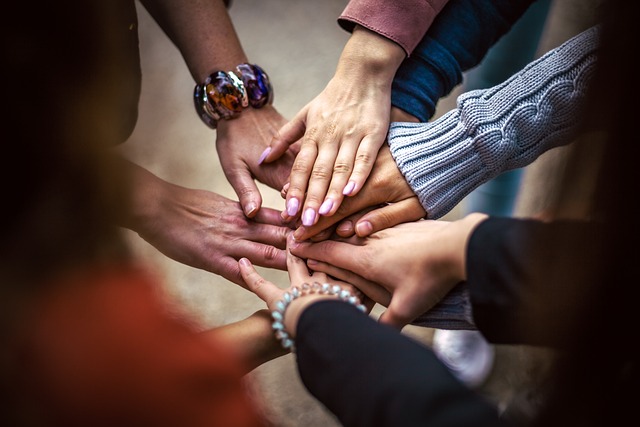
For Indigenous communities, maple harvesting was more than food. It marked winter's end and celebrated life's renewal. Families gathered in sugar camps not just to work, but to share stories, arrange marriages, and strengthen the bonds that held communities together.
The Haudenosaunee (Six Nations) included maple ceremonies in their spiritual calendar, giving thanks for the gift of sweetness before spring hunting and fishing began. Children learned patience, observation, and respect for nature by helping with the harvest.
Traditional ecological knowledge included sophisticated understanding of which trees to tap, how many taps per tree, and when to allow trees to rest. These practices ensured sustainable harvesting that could continue indefinitely without damaging the forest ecosystem.
Regional Traditions Across Eastern North America
Different Indigenous nations developed unique approaches to maple harvesting, adapted to their specific territories and cultural practices.
Algonquian Peoples (Great Lakes)

The Ojibwe, Ottawa, and Potawatomi developed extensive trading networks based on maple sugar, which could be stored year-round and transported long distances. Their techniques emphasized large-scale production and efficient storage methods using birch bark containers.
Haudenosaunee (Eastern Woodlands)
The Six Nations (Mohawk, Oneida, Onondaga, Cayuga, Seneca, Tuscarora) integrated maple harvesting into their sophisticated agricultural system, using maple products to enhance corn-based dishes and as ceremonial offerings during seasonal celebrations.
Maritime Peoples (Atlantic Canada)

The Mi'kmaq and Maliseet adapted maple harvesting techniques to work alongside their seasonal fishing and hunting cycles, developing portable equipment that could be easily moved between coastal and inland camps throughout the year.
Legacy and Continuing Influence
Indigenous innovations in maple harvesting laid the foundation for all subsequent developments in the industry, and traditional knowledge continues to inform modern sustainable practices.
Sustainable Harvesting Principles
Indigenous practices established fundamental principles still used today: selective tapping, tree health monitoring, and forest ecosystem balance. Modern organic certification often mirrors traditional ecological guidelines.
Knowledge Transfer Systems
The apprenticeship model developed by Indigenous communities – where children learned through observation and gradual participation – influenced how maple harvesting skills were transmitted across generations of settlers and modern producers.
Contemporary Recognition
Modern maple producers increasingly acknowledge Indigenous origins of their industry, with some operations partnering directly with First Nations communities to preserve traditional knowledge and share economic benefits from ancestral lands.